NASA Updates Its Lunar Surface Innovation Initiative
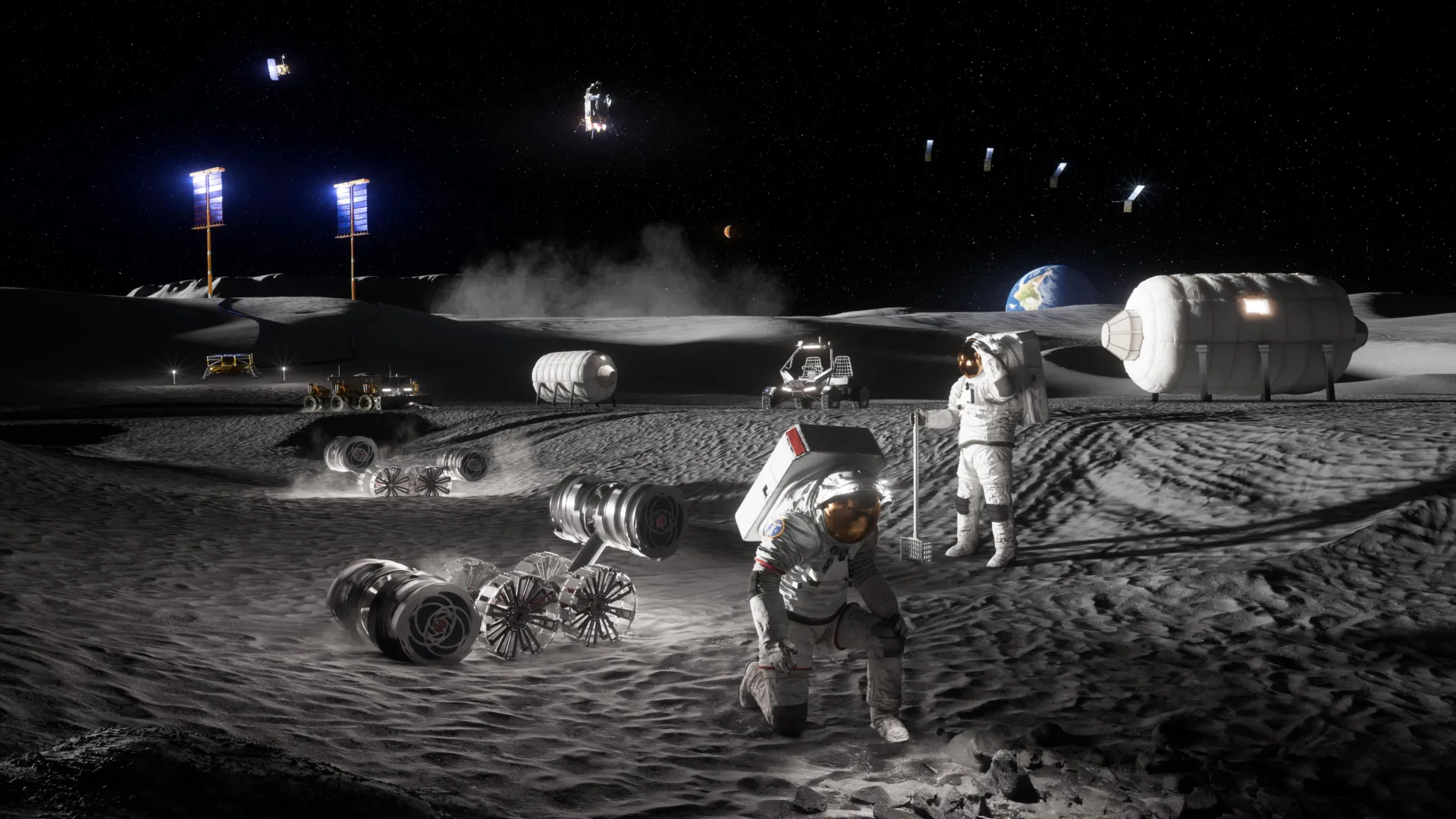
NASA shared new details about its Lunar Surface Innovation Initiative. The space agency wants to build new tools and systems to help humans explore the Moon. This work focuses on building tech that lets astronauts live and work on the lunar surface for a long time.
What is the Lunar Surface Innovation Initiative?
People often ask how astronauts will survive on the Moon for weeks instead of just a few hours. The Lunar Surface Innovation Initiative focuses on creating the hardware needed for lasting survival. It looks at ways to make power, build shelters, and move across rough dirt. Engineers must design machines that can survive extreme cold nights and harsh heat.
Living on another world takes much more gear than quick visits did decades ago. Past missions relied on the small Apollo Lunar Module to keep crews alive for short trips. Now, NASA needs systems that run on their own and stay working for years at a time. The agency teams up with private companies and schools to invent these tough machines.
Why this lunar technology matters for ordinary people
New gear made for deep space often helps people right here at home. When scientists learn how to make clean power in dusty places, those ideas can improve solar panels in dry deserts on Earth. Better batteries built for the dark lunar night could help run green power grids in our cities. Tough robots made for space can also help clean up dangerous disaster zones on our own planet.
This initiative also teaches engineers how to handle harsh natural materials. On the Moon, fine dust called Lunar regolith can easily jam gears and hurt space suits. Finding ways to melt or shape this sharp dirt can lead to new 3D printing methods for building homes on Earth. Here are some key areas this tech initiative covers:
- Making power that lasts through long, freezing nights
- Finding and using local water and dust for building supplies
- Building tough robots that can work without human help
- Protecting astronauts from extreme radiation and rough dirt
What happened before this update
NASA spent years planning how to return to deep space after the Apollo flights ended. Early plans looked at giant bases, which you can see in older NASA lunar outpost concepts. Over time, leaders saw that bringing every single tool from Earth costs far too much money. They realized they needed tools that could make supplies right on the surface instead.
The space agency then started programs to test new ideas with outside partners. They gave grants to small tech firms to try novel power setups and robotic arms. This steady work led straight to the modern initiative we see today. The goal shifted from just planting a flag to building a permanent setup.
What to watch for next on the Moon
In the coming years, small robotic landers will carry tests to the lunar south pole. These test flights will try out the new tech before any humans climb aboard. Engineers will check if drills can pull water ice out of dark shadows. They will also see if solar arrays can sit on high peaks to catch constant sunlight.
If these tests work well, they will change how long crews can stay away from Earth. Long stays on the Moon will serve as practice for an even bigger trip to Mars. Keep an eye out for news on early robotic tests over the next few years. Each test brings humanity one step closer to living safely on another world.